
T2G started in May 2017 with a community-based goal: do something meaningful with a resource that Misamis Oriental had in abundance but wasn't fully using. Coconut trees were everywhere in San Isidro, Jasaan. What farmers were producing from them was mostly tuba and copra. Gemma Dela Vega-Emata, the enterprise's Managing Director, saw that gap and decided to build something in it.
She wasn't working alone. T2G's co-founders came mostly from the cooperative sector, development workers who had spent their careers on community-based work. The coconut industry in Misamis Oriental felt like an obvious next target. "Wala nato na-maximize ang coconut industry especially here in Misamis Oriental," Gemma says. The industry wasn't maximized. The raw material was everywhere. The question was what to do with it.
The Name
"Trunk to Gold" is straightforward as names go. The trunk refers to the coconut tree. The gold is the value Gemma and her co-founders believed it was capable of producing, given the right processing and the right market. They knew the global demand for coco sugar was already high. The Philippine market hadn't caught up yet, but they weren't building only for the Philippine market.
From Wok to Mechanized Facility
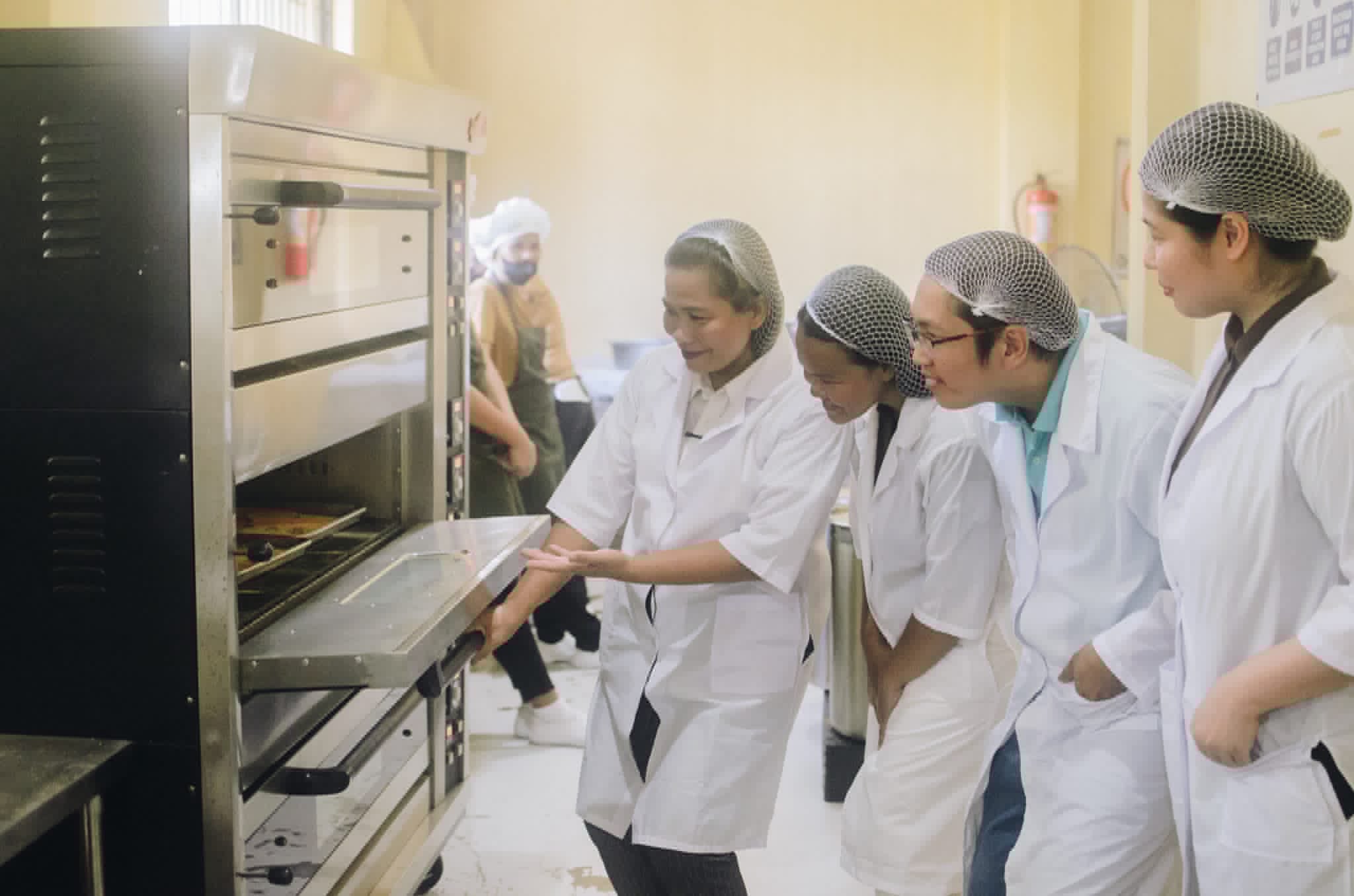
Seven years on, the facility in San Isidro has changed significantly from where it started. The early days involved a wok on a stove. The processing is now mechanized. FDA compliance, which once felt aspirational, is in place. They print their own pouches.
"Sa sector ng coconut, kami ang maganda 'yung facility." In the coconut sector, theirs is one of the nicer facilities. Gemma says this with some pride, and it's earned.
It matters for more than aesthetics. Food production has regulatory requirements, and a well-equipped facility is what allows T2G to meet them. The FDA certification in particular used to be a dream. Getting there took years of incremental improvement and investment.
What They Make
The core product is coconut sugar, sold under the brand Coco Rush. It comes in several pack sizes for different buyer needs, from household to institutional. The processing starts with coconut sap gathered by partner tappers from barangays in Balingasag, Claveria, and Jasaan. The sap is pre-cooked at the collection point to prevent fermentation, then delivered to the facility where it gets tested, cooked again, cooled, dried, sifted, and packed.
T2G has since added Coco Savor, a seasoning sauce also derived from coconut sap. It was developed in collaboration with DOST-ITDI, the government's food technology research body. Low in sodium, gluten-free, allergen-free. The product is at commercial stage and T2G is working toward a dedicated processing line for it.
The rest of the range covers the things coconut sap naturally lends itself to: coco vinegar, coco syrup, coco jam, and virgin coco oil. All of it sits in the same category of minimally processed, all-natural products that the enterprise has been committed to from the start.
What Comes Next
Gemma is direct about the ambition. Three to five years from now, she wants T2G in the global market with organic certification. She wants Coco Savor available to general consumers, not just premium health food buyers. "Para mabigyan ng chance 'yung product natin sa pangkalahatan na consumers," she says. For everyone who decides they want to eat better, not just those who already can afford to shop at specialty grocers.
The working capital challenge is real and ongoing. There are coconut farmers who want to supply T2G and can't yet because the enterprise doesn't have the capacity to absorb them. Addressing that is tied to the same growth trajectory as the global market goal.
Seven years in, Gemma summarizes it like this: "Malayo pa, pero malayo na din ang narating namin." Still a long way to go, but they've already come a long way. Both things are true at the same time.